From Humble Loaf to Heavenly Dessert: The Enduring Charm of Bread Pudding
Few desserts tell a story quite as rich and comforting as
bread pudding. What began as a resourceful way to transform stale bread into a satisfying meal has evolved into a beloved sweet treat enjoyed across continents, boasting a diversity of flavors and textures. At its heart,
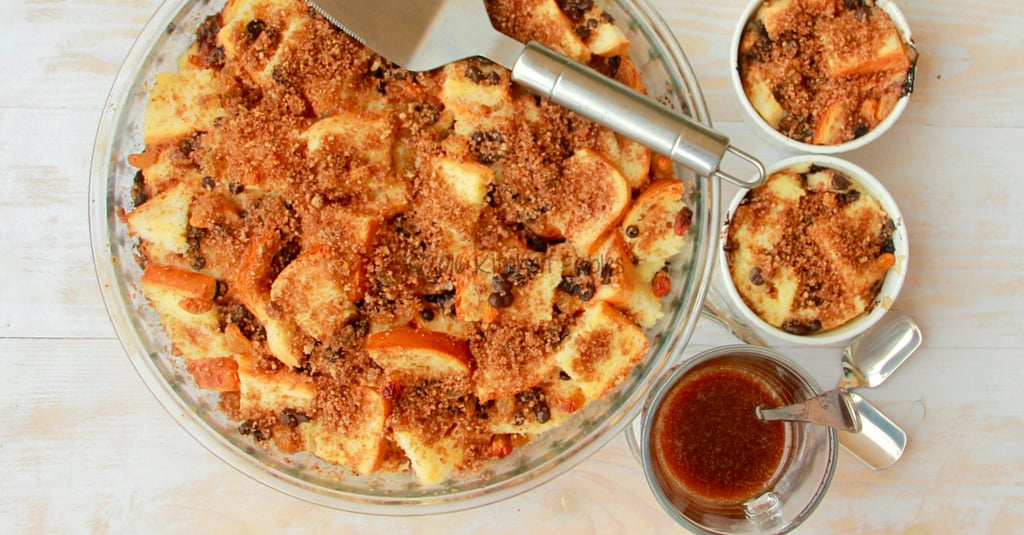
bread pudding is an ingenious creation: cubes or slices of day-old bread are steeped in a luxurious custard made from milk or cream, eggs, sugar, and an aromatic medley of spices like vanilla, cinnamon, and nutmeg. Baked to golden perfection, it emerges from the oven with a delightfully crisp top and a soft, yielding, custardy interior – a true testament to culinary ingenuity.
This classic baked dessert isn't just a delight for the taste buds; it's also a paragon of economical cooking, effectively minimizing food waste by giving new life to what might otherwise be discarded. From its ancient origins to its modern gourmet renditions, the journey of
bread pudding is a fascinating exploration of human resourcefulness and the universal appeal of comfort food.
The Genesis of a Classic: Bread Pudding's Storied Past
The narrative of
bread pudding is deeply intertwined with a timeless human impulse: making the most of available resources. Long before it graced dessert menus, its precursors emerged from necessity. Ancient culinary practices across various cultures reveal early attempts to rehydrate and sweeten leftover bread. One of the earliest examples can be traced back to 13th-century Egyptian cuisine, known as
Om Ali, a delectable dish combining bread, milk, and nuts.
In Europe, particularly in England, the concept of utilizing stale bread gained prominence during the Middle Ages. Times of scarcity often spurred innovation, leading to the development of dishes that were both nourishing and economical. Manuscript recipes from the 15th century, such as "Lyode Soppes" found in Harleian MS. 279 (c. 1430), vividly describe bread soaked in a sweetened milk and egg mixture – a clear antecedent to the
bread pudding we know today. The dish truly cemented its place in British and, subsequently, American cooking with the first widely printed recipe appearing in Eliza Smith’s seminal work,
The Compleat Housewife, first published in 1727. Her inclusion of a custard-based version marked its establishment as a household staple. To delve deeper into its fascinating heritage, explore
From Scarcity to Sweet Treat: The Enduring History of Bread Pudding.
British Butter to Bourbon Bliss: Classic Regional Styles
While the core concept of
bread pudding remains consistent – transforming bread with custard – its regional adaptations showcase an incredible diversity, reflecting local ingredients, cultural preferences, and culinary traditions. This adaptability is precisely what makes
bread pudding a culinary chameleon.
The Quintessential British Bread and Butter Pudding
Across the Atlantic,
bread and butter pudding stands as a quintessential British comfort food. This elegant variation deviates slightly from the cubed bread approach, typically featuring thin slices of buttered bread, often arranged in overlapping layers, which absorb the rich custard mixture. The buttered bread not only adds a wonderful flavor and richness but also creates a slightly different texture compared to its American counterpart. British versions frequently incorporate bright, zesty flavors, with additions like marmalade, lemon zest, or orange zest lending a delightful tang that cuts through the sweetness of the custard. Often dotted with raisins or sultanas, it’s a dish that embodies understated sophistication and comforting warmth, perfect for a chilly afternoon tea or a cozy evening dessert.
The Southern Charm of American Bread Pudding
In the American South,
bread pudding took on a hearty, soul-satisfying character, especially after the Civil War when resourcefulness was paramount. Here, it evolved into a beloved comfort food, often utilizing robust French bread which provides a more substantial texture. What truly sets the American Southern version apart, however, is its signature boozy sauce. Recipes from as early as 1885, as documented in
La Cuisine Creole, highlight the generous use of spirits like bourbon or rum in the accompanying sauces. This addition infuses the dessert with a warm, complex, and intoxicating aroma and flavor that perfectly complements the rich, custardy bread. Often served warm, sometimes with a scoop of vanilla ice cream, Southern
bread pudding is a decadent and indulgent experience, a testament to its deep roots in regional hospitality and a love for flavorful, comforting dishes.
Beyond the Basics: Global Inspirations and Creative Twists
The versatility of
bread pudding extends far beyond its British and American iterations, inspiring similar dishes worldwide. The Indian subcontinent, for instance, offers
Shahi Tukda, a regal dessert whose origins date back to the 16th century. This luxurious treat involves frying slices of bread until golden, then soaking them in a fragrant, saffron-infused milk syrup, often garnished with nuts and edible silver leaf. While its preparation differs, the principle of transforming bread into an exquisite sweet confection remains the same, highlighting the universal appeal of such an economical yet versatile concept.
The inherent flexibility of the core
bread pudding recipe also invites endless culinary creativity:
*
Chocolate Lover's Dream: Swirl in dark chocolate chunks, white chocolate chips, or even a touch of cocoa powder into the custard for a decadent, fudgy version.
*
Seasonal Fruit Sensations: Incorporate seasonal fruits like apples and cinnamon in the fall, mixed berries in the summer, or peaches and pecans for a Southern twist.
*
Nutty & Spiced: Add toasted nuts like walnuts, pecans, or almonds, along with warm spices such as cardamom, ginger, or allspice for an aromatic depth.
*
Citrus Zest & Ricotta: For a lighter, tangier profile, combine ricotta cheese in the custard with generous amounts of lemon or orange zest.
*
Savory Surprises: While traditionally sweet, the concept of bread pudding can even be adapted for savory dishes, using cheese, herbs, and vegetables as a unique side dish or brunch item.
Crafting Your Perfect Bread Pudding: Tips for Success
Creating a truly memorable
bread pudding is an art, but one that is delightfully accessible to home cooks. Here are some essential tips to help you achieve perfection every time:
1. The Right Bread is Key
The foundation of any great
bread pudding is the bread itself.
Stale bread is non-negotiable. Fresh bread will turn mushy. Aim for bread that's a day or two old, or even toast fresh bread lightly in the oven to dry it out.
*
For a Classic Texture: Use sturdy white bread, challah, brioche, or French bread. These absorb the custard beautifully and hold their shape.
*
For Added Character: Sourdough or even panettone can introduce unique flavors and textures.
*
Cubed or Sliced? Cubed bread tends to yield a softer, more homogenous pudding, while sliced bread (as in British bread and butter pudding) offers distinct layers.
2. Master the Custard Base
The custard is the heart of your
bread pudding.
*
Dairy: A mix of milk and cream (heavy cream for richness, half-and-half for a lighter touch) provides the best results.
*
Eggs: Eggs are crucial for setting the pudding. A good ratio is typically 2-3 eggs per cup of dairy.
*
Sweetness & Spice: Adjust sugar to your preference. Vanilla extract is a must, and cinnamon and nutmeg are traditional. Consider a pinch of salt to balance the sweetness.
*
Soaking Time: This is critical. Allow the bread to soak in the custard for at least 30 minutes, or even several hours in the refrigerator, to ensure it’s fully saturated. This prevents a dry, crumbly pudding and ensures a moist, custardy result.
3. Thoughtful Add-ins
While the core recipe is delicious, add-ins elevate the experience.
*
Dried Fruits: Raisins, cranberries, apricots, or cherries are common. Plump them first in hot water, rum, or brandy for extra flavor and moisture.
*
Nuts: Pecans, walnuts, or almonds add texture and richness.
*
Chocolate: Use good quality chocolate chips or chopped chocolate for a melt-in-your-mouth surprise.
4. The Perfect Bake
Bake your
bread pudding in a preheated oven at moderate temperatures, typically around 350°F (175°C).
*
Doneness: It's ready when the top is golden brown, and the interior is set but still has a slight "jiggle" in the center. A knife inserted near the center should come out mostly clean.
*
Prevent Drying: If the top browns too quickly, loosely tent it with foil.
5. The Finishing Touch: Sauces and Garnishes
A good sauce can transform a delicious
bread pudding into an extraordinary one.
*
Bourbon or Rum Sauce: Classic for Southern versions.
*
Crème Anglaise (Vanilla Custard Sauce): A sophisticated and creamy accompaniment.
*
Caramel Sauce: Adds a rich, sweet decadence.
*
Fruit Compote: A lighter, fruitier alternative.
*
Simple Dusting: A sprinkle of powdered sugar or a dollop of whipped cream can be perfect for simpler versions.
For more in-depth techniques and strategies to elevate your dessert, refer to
Mastering Bread Pudding: The Art of Transforming Stale Bread.
A Timeless Treat for Every Palate
From its humble beginnings as a thrifty way to use leftover bread,
bread pudding has traveled through centuries and across continents, evolving into a diverse array of comforting and delicious desserts. Whether you prefer the elegant simplicity of a British bread and butter pudding, the boozy indulgence of a Southern American classic, or a creative global variation, the essence of
bread pudding remains the same: a testament to transforming simple ingredients into something truly extraordinary. It's a dish that celebrates resourcefulness, offers unparalleled comfort, and promises a delightful experience with every spoonful. So, gather your day-old bread, whip up a rich custard, and embark on your own culinary journey to discover the endless joys of
bread pudding.