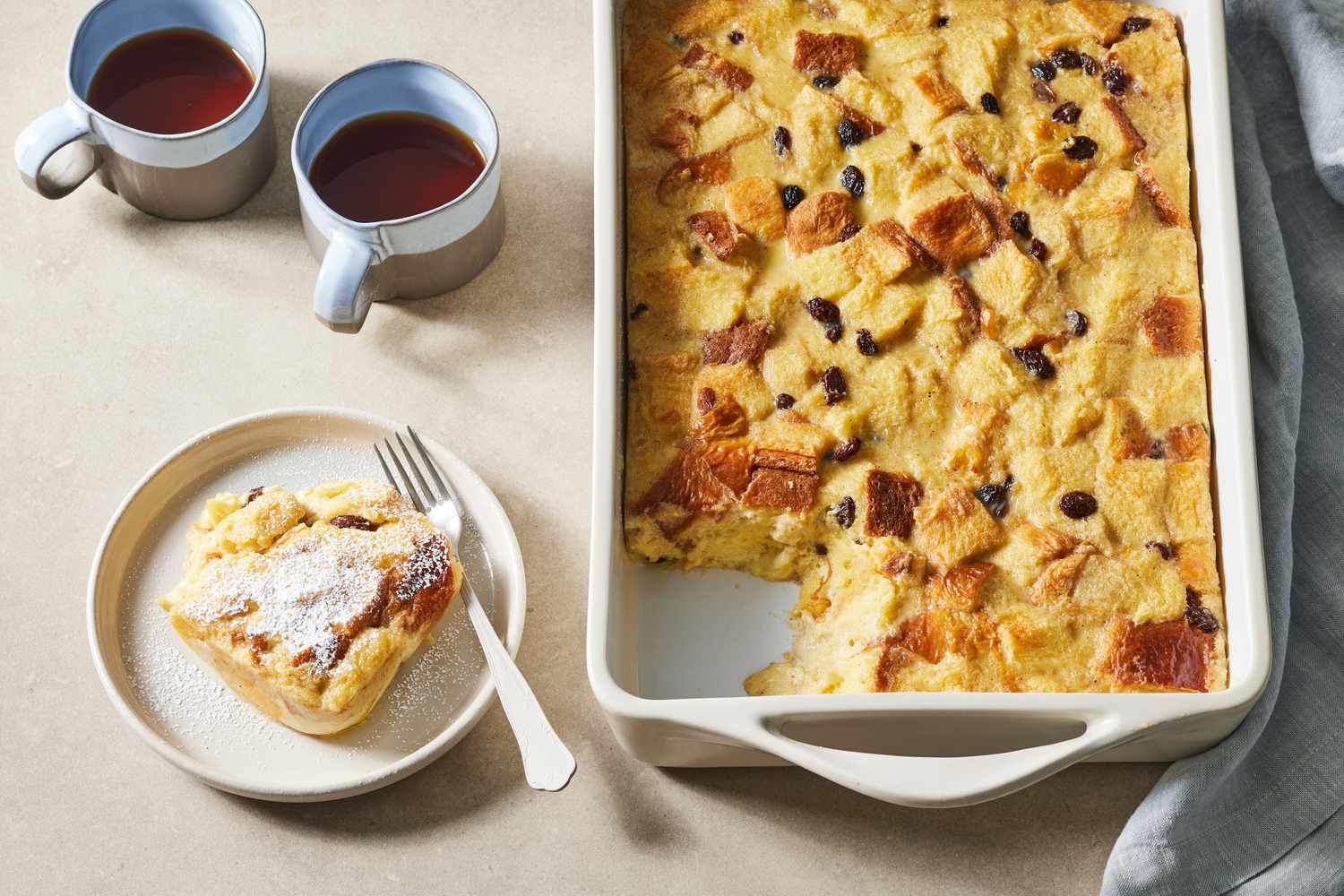
Mastering Bread Pudding: The Art of Transforming Stale Bread
In the world of classic desserts, few dishes embody the spirit of transformation quite like bread pudding. What begins as humble, day-old bread, often destined for the bin, is resurrected into a warm, comforting, and utterly delightful sweet treat. This culinary alchemy, turning potential waste into a cherished indulgence, is at the heart of bread pudding's enduring appeal. It's a testament to resourceful cooking, a practice born of necessity that has blossomed into a sophisticated and versatile dessert enjoyed across cultures and generations.
Far from being just a simple concoction, mastering bread pudding is an art form. It's about understanding the delicate balance between the robust texture of the bread and the creamy richness of the custard, ensuring every bite is a harmonious blend of textures and flavors. Whether you're a seasoned baker or a curious beginner, the journey into making the perfect bread pudding promises both satisfaction and a delicious reward.
The Essence of Bread Pudding: A Symphony of Simple Ingredients
At its core, bread pudding is a deceptively simple dish built upon a few fundamental components. However, it's the quality of these ingredients and the care in their preparation that elevate it from basic to brilliant. Understanding each element is key to achieving that ideal soft, custardy interior and golden, slightly crisp top.
Defining the Delicious Structure
A classic baked dessert, bread pudding relies on stale or day-old bread soaked in a rich custard mixture before being baked. The beauty of using stale bread lies in its ability to absorb the liquid without disintegrating, providing structure and chewiness that fresh bread simply cannot. This absorption is crucial; it prevents a soggy result and allows the bread to become fully infused with flavor, creating a moist, pudding-like consistency throughout.
The Core Components: Building Flavor from the Ground Up
- The Bread: This is your foundation. While almost any bread can work, denser, slightly sweet loaves like challah, brioche, or even good quality sourdough are often preferred for their texture and ability to absorb. Cubed or sliced, the bread acts as a sponge, holding the luscious custard within its structure.
- The Custard: The heart of the pudding. This typically consists of:
- Milk or Cream: Provides richness and moisture. Whole milk or a blend of milk and heavy cream yields the creamiest results.
- Eggs: Act as the binding agent, setting the custard during baking and contributing to the dish's signature texture.
- Sugar: Sweetens the pudding, balancing the richness of the other ingredients. Both granulated and brown sugar are common, with brown sugar adding a deeper, caramel-like note.
- Flavorings and Seasonings: These are the aromatics that transform the pudding from simple to sublime.
- Vanilla: A non-negotiable for its warm, sweet aroma. Vanilla extract, paste, or a scraped vanilla bean can all be used.
- Cinnamon and Nutmeg: These classic spices impart a comforting warmth and depth, evoking a sense of home and tradition.
The combination of these elements, when baked at moderate temperatures (around 350°F or 175°C), undergoes a magical transformation. The bread softens, the custard sets, and the top develops a beautiful golden hue, promising a satisfying contrast between its textures.
A Culinary Journey Through Time: The Rich History of Bread Pudding
The story of bread pudding is as rich and layered as the dessert itself, tracing a path through ancient kitchens and evolving through centuries of culinary innovation and necessity. Its origins are firmly rooted in the resourceful practice of utilizing leftover bread, a testament to human ingenuity in minimizing food waste.
Ancient Roots and Frugal Beginnings
The concept of soaking bread in liquid to create a palatable dish dates back millennia. Early precursors can be found in ancient Egyptian cuisine, most notably with Om Ali, a delightful dish of bread, milk, and nuts dating back to the 13th century. This early example underscores the universal appeal of transforming stale bread into a new, comforting meal.
In Europe, particularly England, bread pudding truly began to take shape during the Middle Ages. Times of scarcity often spurred culinary creativity, and leftover bread was a valuable commodity. Manuscript recipes from the 15th century, such as "Lyode Soppes" (c. 1430) from Harleian MS. 279, describe mixtures of bread soaked in sweetened milk and eggs – a clear precursor to the modern bread pudding. These early versions were a frugal solution, ensuring no food went to waste.
From Manuscripts to Modern Kitchens
The dish's formal establishment in popular cooking can be credited to the 18th century. Eliza Smith's The Compleat Housewife, first published in 1727, included a custard-based version that helped solidify bread pudding as a staple in British, and subsequently American, cooking. This marked its transition from a simple, unrecorded household practice to a documented, beloved recipe.
Since then, bread pudding has developed a myriad of regional adaptations, each reflecting local ingredients and traditions. In Britain, the elegant bread and butter pudding layers thin, buttered slices of bread with custard, often enhanced with marmalade or citrus zest. Across the Atlantic, in the American South, particularly Louisiana, it became a beloved post-Civil War comfort food. Hearty French bread was often used, and the dish frequently finished with a decadent, boozy sauce like bourbon or rum, as evidenced in recipes from 1885's La Cuisine Creole.
Globally, analogous dishes continue to thrive, such as the Indian shahi tukda, a fried bread soaked in saffron-infused milk syrup since the 16th century. These diverse iterations underscore bread pudding's enduring appeal as an economical yet endlessly versatile confection. To dive deeper into the fascinating journey of this beloved dish, explore From Scarcity to Sweet Treat: The Enduring History of Bread Pudding.
Crafting the Perfect Loaf: Tips for Your Best Bread Pudding
Creating a truly exceptional bread pudding goes beyond simply mixing ingredients. It involves careful consideration of your components and techniques. Here are some actionable tips to elevate your homemade bread pudding to masterpiece status:
Choosing and Preparing Your Bread
- Stale is Strategic: This cannot be overstated. Stale bread (1-3 days old) is essential. It's drier and firmer, meaning it will absorb the custard without becoming mushy. Fresh bread tends to disintegrate, leading to a gluey texture.
- Bread Type Matters: While basic white bread works, upgrading your loaf makes a big difference.
- For richness: Brioche, challah, or leftover croissants offer a luxurious texture and flavor.
- For a chewy texture: Sourdough or a crusty French baguette provide more bite.
- Cubes vs. Slices: Most recipes call for bread cubed into 1-inch pieces, which allows for even absorption and a consistent texture. For British-style bread and butter pudding, thin slices are layered. Experiment to find your preference.
The Custard Conundrum: Ratios and Infusion
- The Right Ratio: A good starting point is about 2 cups of milk/cream for every 2 eggs, for approximately 6-8 cups of cubed bread. Adjust slightly based on the dryness and absorbency of your specific bread.
- Flavor Infusion: For a deeper flavor, gently warm the milk/cream with your spices (cinnamon stick, nutmeg) before adding it to the eggs and sugar. Allow it to steep briefly off the heat, then strain before use.
- The Soak is Key: Don't rush this step. Allow the bread to soak fully in the custard mixture for at least 30 minutes, or even better, several hours or overnight in the refrigerator. This ensures every piece of bread is saturated, preventing dry spots and promoting an evenly custardy texture. Gently press the bread down occasionally to ensure all pieces are submerged.
Baking Brilliance for Optimal Texture
- Moderate Temperature: Most bread puddings bake beautifully at around 350°F (175°C). This allows the custard to set slowly without curdling and the top to brown evenly.
- Doneness Cues: Your bread pudding is ready when the top is golden brown, and the interior is mostly set with a slight jiggle in the center. A knife inserted near the center should come out mostly clean, though it might have some moist crumbs.
- The Water Bath (Optional, but Recommended): For an ultra-creamy, silky texture and to prevent the edges from drying out, bake your bread pudding in a water bath. Place your baking dish into a larger roasting pan and fill the outer pan with hot water halfway up the sides of the pudding dish.
- Rest Before Serving: Allow the bread pudding to rest for 15-20 minutes after baking. This helps the custard fully set and makes for easier serving.
Beyond the Basics: Flavor Variations and Global Inspirations
While the classic bread pudding is a masterpiece in itself, its versatility is one of its greatest strengths. It serves as a fantastic canvas for a myriad of additions and flavor profiles, allowing for endless customization and regional interpretations.
Popular Additions and Decadent Sauces
Once you've mastered the basic recipe, consider these delicious enhancements:
- Fruits:
- Dried fruits: Raisins (golden or dark), dried cranberries, cherries, or chopped apricots are classic additions, adding pockets of chewiness and sweetness.
- Fresh fruits: Sliced apples, pears, or berries can be folded into the mixture or arranged on top for a burst of fresh flavor.
- Chocolate: Chocolate chips, chunks, or even a swirl of cocoa powder can transform it into a rich, decadent dessert.
- Nuts: Toasted pecans, walnuts, or almonds add a delightful crunch and nutty flavor.
- Citrus Zest: Lemon or orange zest can brighten the flavor profile, adding a fragrant note that cuts through the richness.
- Sauces & Toppings: The finishing touch often defines the bread pudding experience:
- Boozy Sauces: Bourbon, whiskey, or rum sauces are staples, particularly in the American South, adding a sophisticated warmth.
- Caramel or Butterscotch Sauce: Drizzled over the top for an extra layer of sweetness and richness.
- Crème Anglaise: A classic vanilla custard sauce, perfect for pouring over warm pudding.
- Whipped Cream or Ice Cream: A simple scoop of vanilla bean ice cream or a dollop of fresh whipped cream provides a lovely contrast in temperature and texture.
Regional Adaptations: A World of Bread Puddings
The global reach of bread pudding is evident in its many variations:
- British Bread and Butter Pudding: A more refined version, often featuring thin slices of buttered bread layered with custard, frequently incorporating marmalade or fresh citrus zest for a bright, tangy counterpoint.
- American Southern-Style: Characterized by the use of heartier breads like French bread, and often served with generous amounts of bourbon or rum sauce, reflecting the region's rich culinary traditions.
- Shahi Tukda (India): This elegant Indian dessert involves frying slices of bread until golden, then soaking them in a saffron-infused milk syrup (rabri) and garnishing with nuts. It showcases the versatility of the concept in a completely different cultural context.
For an exploration of these mouth-watering adaptations and specific recipes, check out British Butter to Bourbon Bliss: Diverse Bread Pudding Recipes.
Conclusion: The Enduring Charm of Bread Pudding
From its frugal beginnings in ancient kitchens to its status as a beloved dessert around the globe, bread pudding stands as a testament to the power of simple ingredients and clever culinary techniques. It's more than just a sweet treat; it's a comforting embrace, a resourceful solution to food waste, and a canvas for endless creativity. Whether you prefer it plain and comforting or loaded with fruits, chocolate, and a boozy sauce, the fundamental magic remains: the transformation of stale bread into something truly extraordinary. So next time you find yourself with a day-old loaf, don't discard it. Embrace the art of bread pudding and create a dish that's rich in flavor, history, and heartwarming charm.
